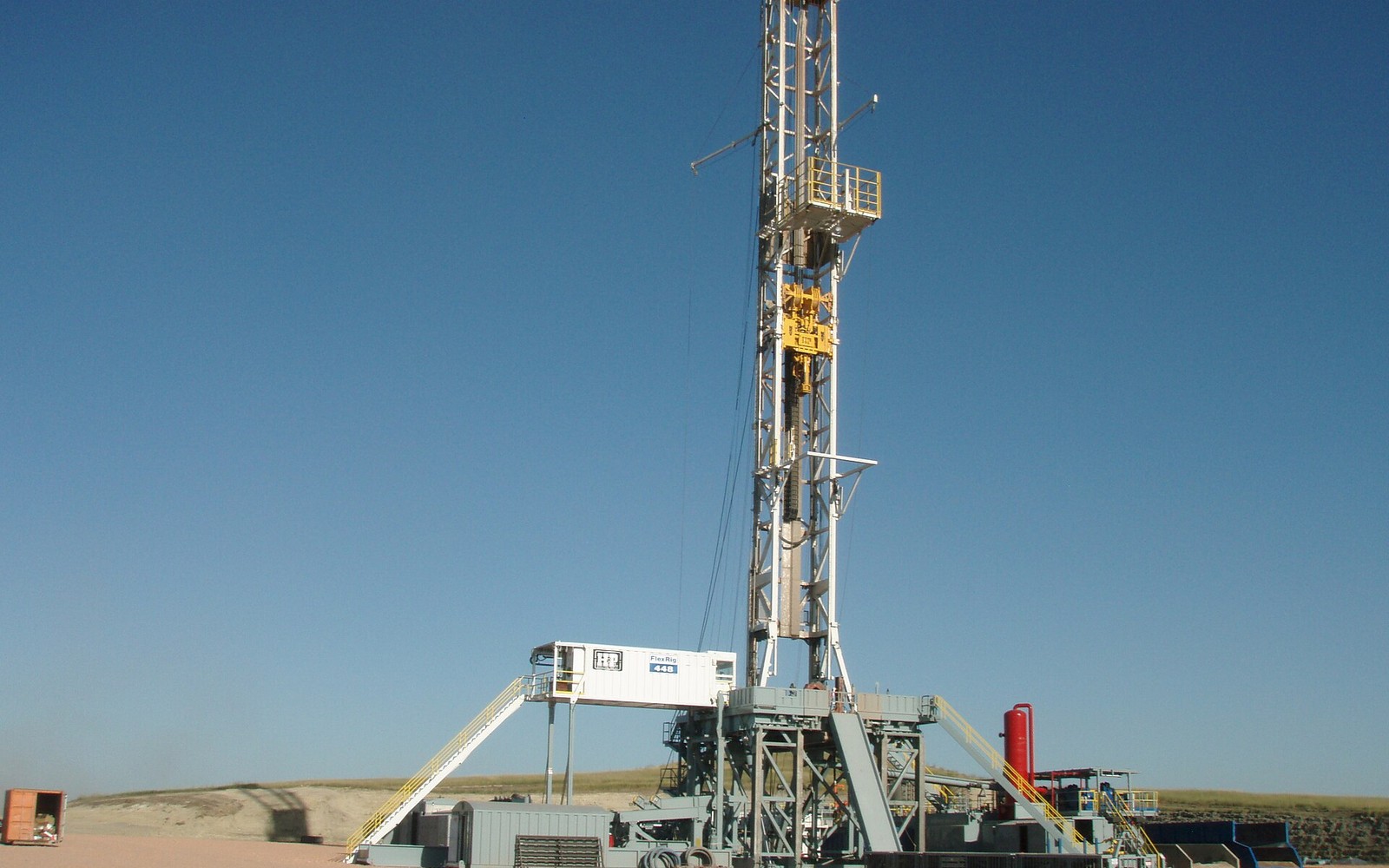
Piceance Basin Mineral Rights
Piceance Basin tight-gas royalty in Garfield and Rio Blanco counties, Colorado, including federal unit interests. We review before quoting.
Read more
The San Juan Basin's federal units and Navajo Nation allotted lands make this one of the more paperwork-intensive basins we work in, and identifying which category your interest falls into is the first and most important step.
The San Juan Basin, spanning San Juan and Rio Arriba counties in New Mexico and La Plata and Archuleta counties in Colorado, has a long production history from coalbed methane in the Fruitland formation along with tight gas from the Mesaverde and Dakota formations, developed over several decades with extensive federal unitization. A significant share of the basin also overlaps or sits adjacent to the Navajo Nation and individual Navajo allotted trust lands, adding a layer of ownership complexity that few other basins in our coverage present.
We buy royalty interests throughout the basin, and our review starts with identifying whether your specific tract is fee, federally unitized, state trust, or tribal allotted land, since each category follows an entirely different transfer process and timeline, and getting this identification right at the outset is what keeps a San Juan Basin transaction from stalling later.
Much of the San Juan Basin's Fruitland coal production was developed under federal unit agreements with participating area determinations similar to what we see in the Piceance and Green River basins, meaning your effective royalty share depends on whether your tract is currently included in the unit's approved participating acreage. We pull this documentation before quoting, since participating area boundaries in mature basins like this one have sometimes been adjusted as the practical productive limits of the coal seam became clearer over years of production.
If your interest traces to an individual Navajo allotment held in trust, any transfer requires approval through the Bureau of Indian Affairs, following federal regulations that govern trust property differently from a standard state-recorded deed. This is not unusual in this basin, and we work through these transactions regularly, but the timeline runs longer, and we tell sellers upfront when their interest falls into this category so expectations are set correctly from the start rather than partway through the process.
Fruitland coal development in this basin dates back decades in many areas, and a portion of the original wells have reached the end of their economic life and been plugged. We check current well status with the applicable state regulator, New Mexico's Oil Conservation Division or the Colorado Oil and Gas Conservation Commission depending on which side of the state line your tract sits on, before assuming a legacy lease is still held by production.
Some San Juan Basin tracts carry both Fruitland coal production and deeper Mesaverde or Dakota tight gas production, sometimes under separate unit agreements. Where this is the case, we confirm which unit or units your specific royalty decimal is tied to, since a statement referencing only the coal seam does not necessarily reflect a deeper zone that may also be producing under your acreage.
We also confirm whether your tract's Fruitland coal unit has ever been the subject of a downspacing order, since some parts of this mature basin were later approved for additional wells per unit as operators refined their understanding of the coal seam's productive limits, and a downspacing order can add wells and adjust your effective decimal even without a new formation being targeted.
Recorded file
These answers keep the Pittsburgh ownership file tied to recorded evidence rather than family shorthand or payor assumptions.
Yes, but the transfer requires Bureau of Indian Affairs approval rather than a standard state-recorded deed, and the process takes longer, typically several months. We explain this specific process once we've confirmed your interest falls into this category.
The applicable state regulator and some procedural details differ, but the review process for confirming production status and unit participation is similar. We identify which state applies to your tract early in the review.
We check directly with the relevant state regulator rather than assuming based on check size, since a well nearing the end of its economic life can still be technically producing at low volumes for some time before being plugged.
Not necessarily. We check whether your decimal is tied only to the Fruitland coal unit or also to a separate deeper unit, since these can be governed by different agreements even on the same tract.
A fee interest inside a federal unit can often close on a similar timeline to any other fee mineral sale, typically a few weeks, since the unit structure affects your royalty calculation but not the mechanics of transferring your private ownership.
Piceance Basin Mineral Rights
Piceance Basin tight-gas royalty in Garfield and Rio Blanco counties, Colorado, including federal unit interests. We review before quoting.
Read more
Uinta Basin Mineral Rights
Uinta Basin royalty in Duchesne and Uintah counties, Utah, including Ute tribal allotted interests and waxy-crude production. We review before quoting.
Read more
Barnett Shale Mineral Rights
Barnett Shale royalty and ORRI in Tarrant, Denton, Johnson and Wise counties. We review urban drilling leases, HBP status and old unitization orders before quoting.
Read more
Mineral Interest Buyers
A county and state, owner name, deed reference, royalty statement, operator, lease, probate document, or written offer is enough to start organizing the chain.