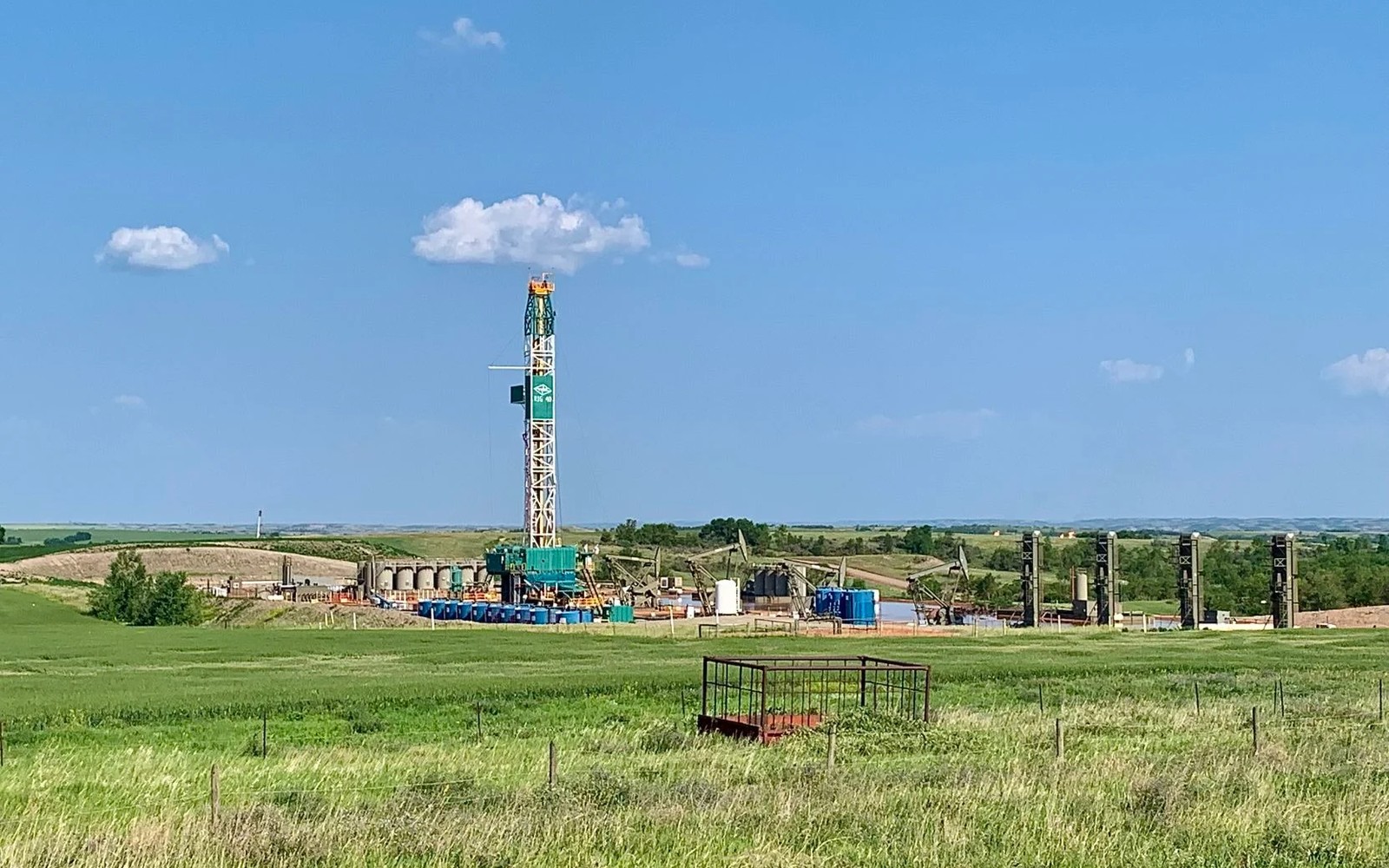
Uinta Basin Mineral Rights
Uinta Basin royalty in Duchesne and Uintah counties, Utah, including Ute tribal allotted interests and waxy-crude production. We review before quoting.
Read more
Much of the Piceance Basin's gas production sits inside federally unitized acreage, and a slowdown in drilling here over the past decade means most interests we review are valued on mature production rather than new development.
The Piceance Basin in northwest Colorado, centered on Garfield and Rio Blanco counties, produces tight gas from the Williams Fork and Mesaverde formations, developed most intensively from the mid-2000s through the early 2010s before activity slowed considerably. A significant portion of the basin's production comes from federally unitized areas, particularly around the historic Rulison and Grand Valley fields, which means unit agreements and BLM participating area determinations are part of the standard documentation for many interests here.
We buy royalty interests throughout the basin, both fee minerals and interests tied to federal unit participation, and our review reflects the basin's current status: mostly mature production with limited new drilling, which puts the focus on confirming trailing production and current unit participation rather than anticipating near-term development.
Where your tract sits within a federally unitized field, your effective share of production depends on the unit's participating area determination, the BLM-approved boundary describing which acreage currently shares in production, not simply your raw mineral ownership percentage across the whole unit. We pull the current participating area documentation before quoting, since these boundaries have been amended over time as development within the unit has evolved, and a tract added or dropped from the participating area directly changes what royalty it's entitled to.
Piceance drilling activity has been considerably slower over the past decade compared to the basin's peak years, which means most interests we review here are valued primarily on the trailing production of existing wells rather than on anticipated new drilling. We ask for recent statements to establish the current decline trend, and we're direct that any quote reflects that existing production rather than a bet on renewed development activity that hasn't materialized in this basin recently.
Much of the mineral ownership in this part of Colorado is severed from surface ownership, with ranching and rural residential surface owners holding no interest in minerals that may have been retained by an earlier owner or the federal government itself in adjoining tracts. We confirm whether your specific interest is fee, state, or federally administered before proceeding, since only privately held fee minerals or the private share of a unitized interest are within what we purchase directly.
Some Piceance leases have been held for many years through modest, marginal production rather than through continued active drilling, and we check current well status directly with Colorado's oil and gas regulator before assuming continued validity, since a lease on a well that has since been plugged would have reverted the minerals to unleased status.
We also confirm current gas gathering and processing arrangements for your specific unit, since Piceance production has historically depended on regional gathering infrastructure that has changed hands more than once, and a change in midstream provider can affect deduction line items on your statement even when the underlying well and its production have not changed.
We also check whether your lease predates Colorado's more recent regulatory changes governing setbacks and financial assurance requirements, since older Piceance leases sometimes lack provisions that a current lease would include, and this history is part of what we document before finalizing any purchase. Where a well on your unit has been idle for an extended period without being formally plugged, we also confirm its current status designation with the state, since an idle well can still hold a lease under some circumstances while remaining flagged for eventual plugging.
Recorded file
These answers keep the Pittsburgh ownership file tied to recorded evidence rather than family shorthand or payor assumptions.
Your tract may not currently be included in the unit's participating area, the specific acreage the BLM has determined shares in production. We check the current determination before answering this.
Activity has slowed considerably compared to the basin's peak years, so we generally value interests here based on existing production rather than anticipated new development.
We confirm this from your statement and recorded chain of title. Only privately held fee minerals, or the private share of a federally unitized interest, are what we purchase directly.
We check current well status with Colorado's oil and gas regulator to confirm the well is still producing and the lease is still held before making any assumption based on check size alone.
Not necessarily. Mineral and surface ownership are commonly severed in this part of Colorado, and we evaluate mineral title independently of surface ownership.
Uinta Basin Mineral Rights
Uinta Basin royalty in Duchesne and Uintah counties, Utah, including Ute tribal allotted interests and waxy-crude production. We review before quoting.
Read more
Barnett Shale Mineral Rights
Barnett Shale royalty and ORRI in Tarrant, Denton, Johnson and Wise counties. We review urban drilling leases, HBP status and old unitization orders before quoting.
Read more
Fayetteville Shale Mineral Rights
Fayetteville Shale royalty in Van Buren, Conway and Cleburne counties, Arkansas. We review mature dry-gas decline and held-by-production status before quoting.
Read more
Mineral Interest Buyers
A county and state, owner name, deed reference, royalty statement, operator, lease, probate document, or written offer is enough to start organizing the chain.