Smackover Formation Mineral Rights
Smackover royalty from legacy Arkansas and Louisiana oil and brine production. We review old waterflood units and bromine-byproduct leases before quoting.
Read more
The Fayetteville was a dry-gas shale play built mostly on a run of drilling between 2005 and 2012, and very little new activity has followed since, which changes how a legacy interest should be valued.
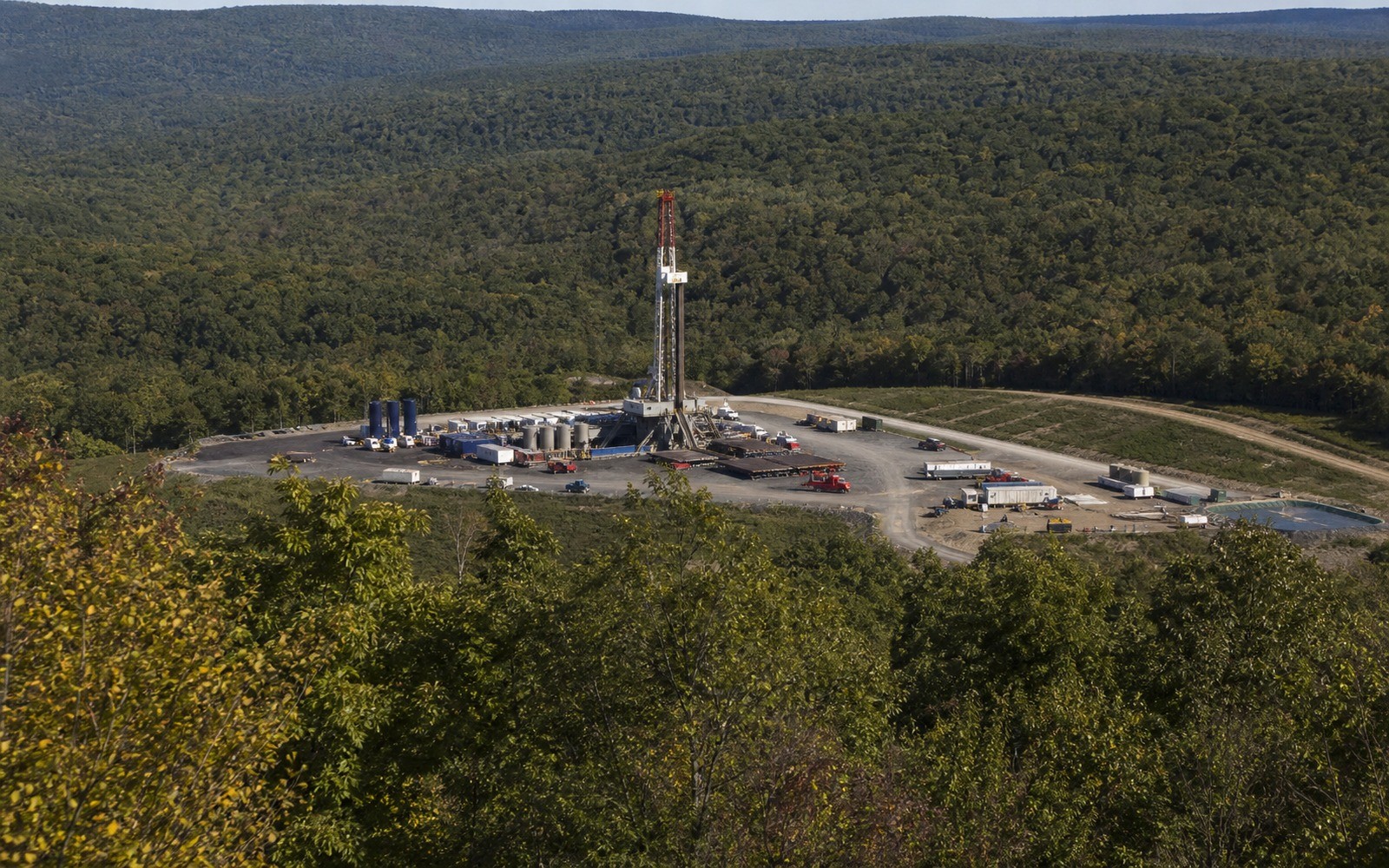
The Fayetteville Shale, centered on Van Buren, Conway, Cleburne and White counties in north-central Arkansas, produces dry natural gas from a vertical and horizontal drilling program concentrated mostly in the years before 2013. Operator activity in this basin has been minimal for roughly a decade, which puts the Fayetteville in a similar category to the Barnett and Antrim in our coverage: a mature play where value is driven by trailing production on existing wells rather than by any expectation of new drilling.
We buy royalty interests throughout the play, and our review here is focused on confirming a well is still actively producing and the lease is still held, since a meaningful number of peripheral Fayetteville wells were plugged or shut in as gas prices weakened after the initial boom.
Because Fayetteville development activity has been quiet for years, we start every review by checking current well status with the Arkansas Oil and Gas Commission rather than assuming a well is still producing based on an older statement. Some marginal wells in this play have been plugged as they reached the end of economic life, and once the well holding a lease is plugged with no other producer in the unit, the lease typically terminates and the minerals revert to unleased status.
Fayetteville wells that are still producing are generally well past their peak, and any offer on a royalty interest here is built from several recent statements rather than a single month's number, since gas wells this far into decline can show real month-to-month variation from weather, gathering system maintenance, or curtailment without signaling anything about the underlying trend. We ask for at least six months of statements where available to build an accurate picture.
We also check whether your specific well has been the subject of any recent recompletion attempt, since a handful of operators have tested reentry and recompletion on select Fayetteville wellbores in recent years, and a successful recompletion can meaningfully extend a well's economic life beyond what the original decline curve would have suggested.
Some Fayetteville leases were amended or ratified in the years after original signing, as operators consolidated acreage positions or as interests passed to heirs who signed ratifications to keep the lease clearly held. We check for these amendments in the county record, since royalty rates and deduction terms occasionally shifted between the original lease and a later ratification.
Like most shale plays that boomed and then went quiet, a large share of Fayetteville minerals were leased broadly across entire counties in the mid-2000s, and interests have since divided through inheritance into small fractional shares. We buy these small legacy fractions regularly and can work with an Arkansas probate file or recorded affidavit of heirship to confirm the chain before drafting a deed.
We also check whether your tract's unit has ever been the subject of a unitization or pooling amendment filed with the Arkansas Oil and Gas Commission after the original spacing order, since some units were adjusted years after initial development as operators consolidated smaller tracts, and a later amendment can change the decimal even without any new well being drilled. We also confirm the operator of record on your most recent statement matches the operator shown in state production records, since several original Fayetteville operators sold their Arkansas assets as they exited the play, and a mismatch between the two usually just reflects a pending division order update rather than any problem with your underlying title.
Recorded file
These answers keep the Pittsburgh ownership file tied to recorded evidence rather than family shorthand or payor assumptions.
It's worth checking directly. A lapse in payment can mean the well was plugged and the lease terminated, or it can mean a small balance is being held pending a minimum payment threshold. We check current well status before drawing a conclusion.
Activity across the play has been minimal for roughly a decade. Any value we place on an interest here reflects existing production rather than expected new development.
Yes, ratifications were common as operators consolidated leasing positions or confirmed continued lease validity, and they occasionally came with updated terms. We check the recorded ratification against your current statement.
We prefer at least six months where available, since gas volumes on mature wells can vary month to month without reflecting the underlying decline trend.
Yes, we can typically work from an Arkansas probate record or a recorded affidavit of heirship to establish the current owner before drafting a deed.
Smackover Formation Mineral Rights
Smackover royalty from legacy Arkansas and Louisiana oil and brine production. We review old waterflood units and bromine-byproduct leases before quoting.
Read more
Tuscaloosa Marine Shale Mineral Rights
Tuscaloosa Marine Shale interests in Louisiana and Mississippi, a play with limited economic development. We review salvage WI liability and lease status before quoting.
Read more
Antrim Shale Mineral Rights
Antrim Shale royalty and lease interests in Otsego, Antrim and Montmorency counties. We review old stripper leases and biogenic-gas division orders before quoting.
Read more
Mineral Interest Buyers
A county and state, owner name, deed reference, royalty statement, operator, lease, probate document, or written offer is enough to start organizing the chain.