Marcellus Shale Mineral Rights
Marcellus Shale royalty in Pennsylvania and West Virginia, including flat-rate lease conversions. We check courthouse records and pooling status before quoting.
Read more
Pinedale and Jonah are federally unitized tight-gas fields, and most of the mineral interest under them is either federal or split-estate, which shapes the paperwork more than the geology does.
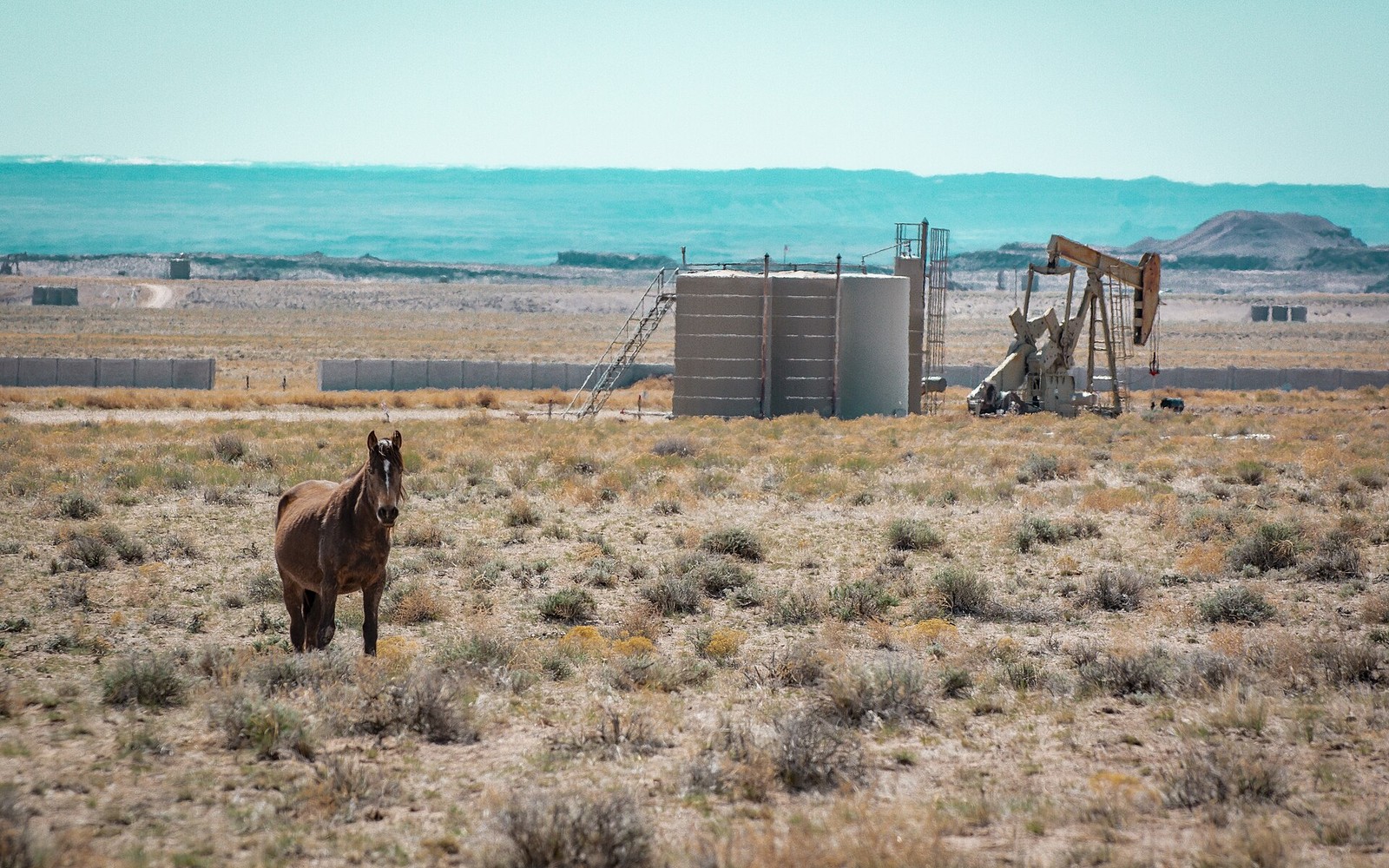
The Green River Basin in southwest Wyoming, and specifically the Pinedale Anticline and Jonah fields in Sublette County, produces tight gas from deep, low-permeability sands developed with closely spaced vertical and directional wells over the past two decades. A large share of the acreage in these fields is federal minerals administered under Bureau of Land Management leasing, with private fee minerals making up a smaller but still significant portion, particularly on older homestead-era severed tracts.
We buy royalty interests, both fee and, where applicable, private interests carved from federal unit participation, across the basin. Because Pinedale and Jonah are developed as formal federal units with unit agreements and participating area determinations, our title review here looks different from a standard state or fee-mineral play, and we confirm early whether your interest is fee, state, or tied to a federal lease.
It is possible to hold private fee minerals located within the boundary of a federally unitized field, and in that case your royalty is still governed by your own private lease terms even though the well spacing and development pace are controlled by the federal unit agreement and BLM approvals. We confirm whether your specific tract has been included in the unit's current participating area, since participating area boundaries in these fields have been expanded more than once as development proved up additional acreage, and a tract outside the current participating area may not yet be receiving royalty even though it is within the broader unit boundary.
A significant amount of mineral ownership in this basin is severed from the surface, with ranching families owning the surface while minerals were retained or sold separately going back to early twentieth-century homesteading. This split-estate pattern means your mineral ownership can be entirely independent of who owns or uses the surface today, and we do not require any surface connection to purchase your mineral or royalty interest, only clean title to the minerals themselves.
Pinedale and Jonah were developed on unusually tight well spacing for a tight-gas field, and production from the unit as a whole is allocated to participating tracts according to formulas set out in the unit agreement rather than tracked well by well the way a conventional lease might be. We review the current participating area allocation schedule to confirm how your tract's share is calculated before pricing an interest, since the allocation formula itself, more than the raw decimal, determines your effective share of unit production.
We also verify the specific formation named in your lease or division order, since deeper Green River Basin sands beneath the primary Lance and Mesaverde intervals have occasionally been tested separately, and confirming which formation your decimal is tied to prevents us from over- or under-valuing an interest based on an assumption about depth.
Some of the fee mineral interests we see in this basin trace back to mineral reservations made when the surface was patented under early homestead law, and the chain of title from that original reservation to a current owner can run through many decades of Wyoming probate and county recording. We do the work of tracing that chain and identifying any gap that would need to be resolved, such as a missing probate for an intermediate owner, before we can record a clean deed.
Recorded file
These answers keep the Pittsburgh ownership file tied to recorded evidence rather than family shorthand or payor assumptions.
Your tract may not yet be included in the unit's current participating area, which determines which acreage actually shares in production. We check the latest participating area determination to confirm your tract's status.
No, mineral ownership here is commonly severed from surface ownership, and we only need clean mineral title to purchase your interest.
We determine this from your statement and the recorded chain of title. Fee minerals inside a federal unit are still privately owned and separately leased, even though development is governed by BLM unit rules.
Production from the unit is typically allocated across participating tracts according to a formula set out in the unit agreement, not tracked to a single specific well. We review the current allocation schedule as part of pricing your interest.
It usually just means a longer title chain to trace. We identify any gaps, such as a missing intermediate probate, and work through what's needed to record a clean deed.
Marcellus Shale Mineral Rights
Marcellus Shale royalty in Pennsylvania and West Virginia, including flat-rate lease conversions. We check courthouse records and pooling status before quoting.
Read more
Utica Shale Mineral Rights
Utica Shale royalty in Belmont, Carroll, Harrison and Guernsey counties, Ohio. We review deep dry-gas leases, forced pooling and legacy Clinton wells before quoting.
Read more
Permian Basin Mineral Rights
We buy Permian Basin fee minerals, royalty, ORRI and non-op WI across West Texas and southeast New Mexico, with stacked-pay title review before every quote.
Read more
Mineral Interest Buyers
A county and state, owner name, deed reference, royalty statement, operator, lease, probate document, or written offer is enough to start organizing the chain.