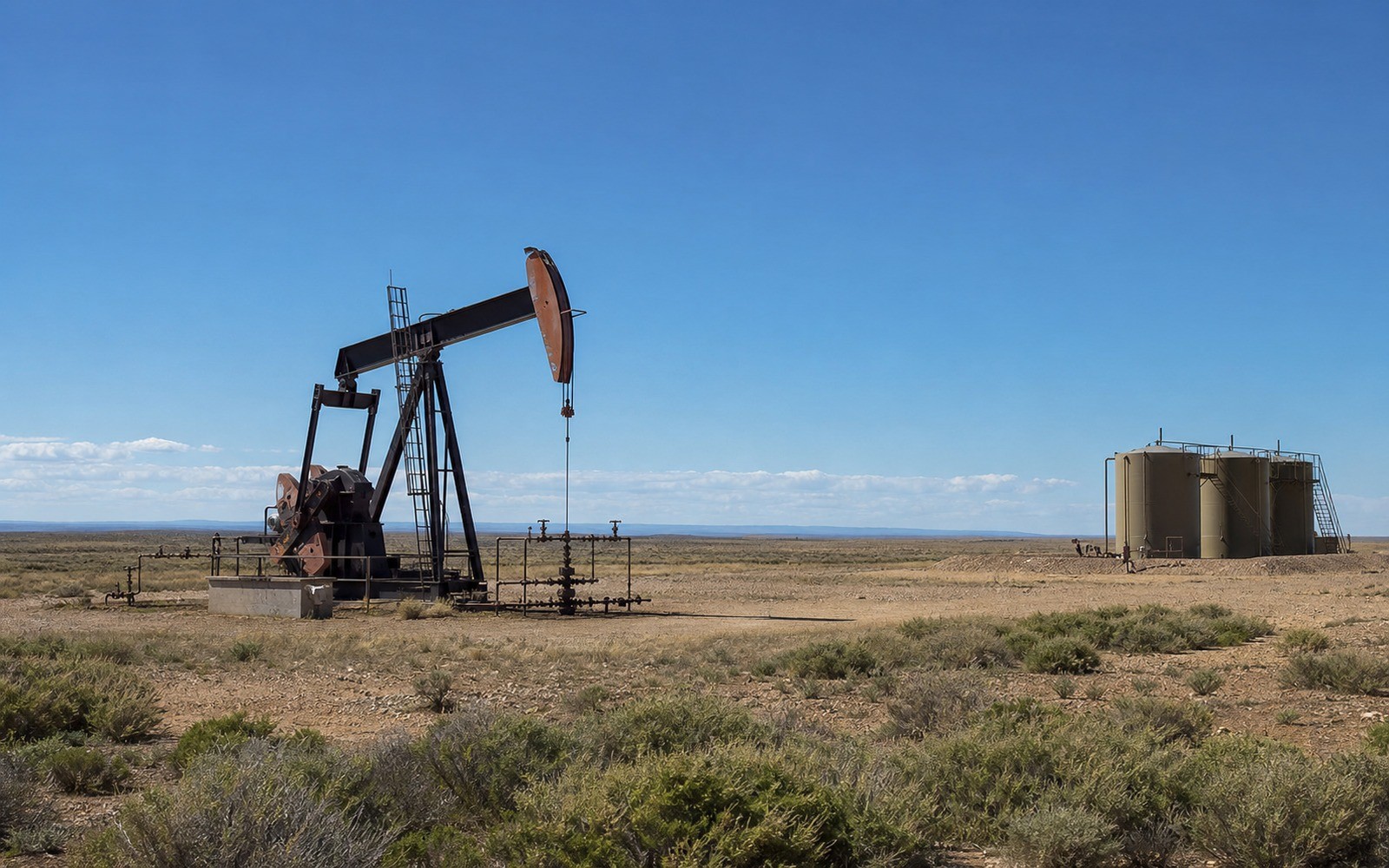
Midland Basin Mineral Rights
We buy Midland Basin RI, ORRI and fee mineral interests in Midland, Martin, Howard and Glasscock counties, with stacked Spraberry-Wolfcamp title review.
Read more
The Delaware Basin's stacked Wolfcamp and Bone Spring section can carry four or five producing intervals under a single surface tract, and no two of them are necessarily unitized the same way.
The Delaware Basin, the western sub-basin of the Permian spanning Reeves, Loving, Culberson, Ward and Winkler counties in Texas and Eddy and Lea counties in New Mexico, is the most actively developed stacked-pay section we work in. A single mineral tract here can sit under a Wolfcamp A unit, a Wolfcamp B unit, and one or more Bone Spring benches, each spaced and pooled independently, which means your fee mineral or royalty position may show up on several different division orders that all trace back to the same acreage.
We buy fee mineral, royalty and ORRI interests throughout the basin, and, where it makes sense, small non-operated working interest positions. Because this is an active development area with regular new-well activity, our review focuses heavily on confirming which units your tract currently participates in and pulling the most recent Railroad Commission or New Mexico OCD spacing documentation before pricing anything.
In the Delaware, we distinguish carefully between fee mineral ownership, where you own the minerals outright and can lease them yourself, and a royalty interest carved out of someone else's lease. Fee minerals here carry both current royalty income and future leasing optionality across multiple stacked benches that may not yet be developed, which is a different asset than a fixed royalty percentage on a single already-drilled zone. We price these differently, and we ask upfront which category applies to your interest, since the answer changes both the offer structure and the documentation required.
A large volume of the ORRI we buy in the Delaware Basin traces to farmout agreements and participation deals struck during the leasing rush of the last decade, when landmen, geologists and small operators regularly retained an override as part of assembling large operated positions for major producers. These overrides frequently specify a particular formation or a depth range, so a Wolfcamp-only override does not necessarily attach to a later Bone Spring completion on the same acreage. We check the assignment language against the well's actual completed interval before valuing it.
Delaware Basin non-op WI positions come with real ongoing decisions attached, since operators here drill multiple-well pads and issue AFEs regularly as they develop each bench. We review your JOA, recent AFE history, and whether your interest has been consenting or going non-consent, because a working interest owner who has been funding their share is in a materially different position than one carrying accumulated non-consent penalties. We also confirm plugging liability exposure on any older wellbore included in the package.
Because operators continue to add wells and occasionally re-draw unit boundaries as development plans firm up, we ask for your two most recent statements to confirm whether your decimal has changed and pull the current pooling documentation to verify. A decimal that shifted after a recent amendment is not unusual in an actively developing part of this basin, and we confirm the current figure before finalizing any offer.
We also confirm whether any portion of your tract sits within an area affected by a recent horizontal re-spacing, since operators here have occasionally consolidated smaller legacy units into larger, more efficient development units as lateral lengths increased, and a re-spacing can change your percentage even when the well count on your specific tract has not changed.
Recorded file
These answers keep the ownership file tied to recorded evidence rather than family shorthand or payor assumptions.
Stacked Wolfcamp and Bone Spring benches are frequently developed as separate spacing units under the same surface acreage. Multiple wells and multiple statements from what looks like one tract is standard in this basin.
If you or your family retained the minerals when the surface was sold, or purchased minerals directly, you likely hold fee minerals, which include the right to lease future development. We confirm this against the deed record before pricing.
Not necessarily. Formation-specific override language often does not extend to a different bench, and we check the assignment against the actual completed interval before valuing your interest.
That is a decision with real consequences either way, and we're glad to review the AFE and JOA with you as part of a sale discussion, but the participation election itself is yours to make on the current timeline.
Typically a few weeks once we have a current title check and your most recent statements, assuming there are no gaps in the chain of title that need to be resolved first.
Midland Basin Mineral Rights
We buy Midland Basin RI, ORRI and fee mineral interests in Midland, Martin, Howard and Glasscock counties, with stacked Spraberry-Wolfcamp title review.
Read more
Eagle Ford Shale Mineral Rights
Eagle Ford royalty and ORRI in Karnes, DeWitt, La Salle and Gonzales counties. We review condensate-window leases and mature-decline production before quoting.
Read more
Bakken Mineral Rights
We buy Bakken and Three Forks mineral, royalty, ORRI and non-op WI interests across Mountrail, McKenzie and Williams counties, including trust and allotted land.
Read more
Mineral Interest Buyers
A county and state, owner name, deed reference, royalty statement, operator, lease, probate document, or written offer is enough to start organizing the chain.